Visiting Dubai During Ramadan: What to Expect
Updated June 2026
Ramadan is the month in which Muslims worldwide fast from before dawn until sunset. That fast is one of the five pillars of Islam, and the month is also a time of reflection, prayer and community. In Dubai it changes the rhythm of the whole city, and visitors notice it. This guide is for anyone whose trip falls in the month: what to expect, how to show respect, and how to plan around it.

What Ramadan means
During Ramadan, observant Muslims fast from the pre-dawn meal (suhoor) until sunset (iftar), abstaining from food, drink and smoking throughout the daylight hours. The fast is a spiritual practice, a time for increased prayer, charitable giving and community. It is not primarily a subject for outside curiosity or commentary. For visitors, the respectful position is to understand the practice, observe the etiquette, and let the city speak for itself.
The Islamic calendar follows the lunar cycle, so Ramadan falls approximately 11 days earlier each year. The month lasts 29 or 30 days, depending on the moon sighting. In the coming years it will gradually shift into winter and spring. The exact start is confirmed by the official moon sighting committee, so the precise date each year is known only a day or two in advance. When planning a trip, visitors should check the expected Ramadan dates for their travel year and verify closer to departure.
What changes for visitors
Daytime
The most noticeable shift during the day is a quieter, more subdued atmosphere. Loud music in public spaces is typically turned down or off. Some cafés and restaurants that do not hold a licence for daytime service during Ramadan will be closed or will operate with screened-off sections. Hotels and licensed restaurants continue to serve food and drink to guests and visitors throughout the day. If you need to eat between meals, your hotel restaurant, most shopping malls and licensed dining venues remain operational.
In public spaces (streets, beaches, public transport), eating, drinking and smoking during fasting hours is a matter of etiquette rather than a hard legal requirement for tourists, but observe it. Eat and drink in designated spaces rather than openly in front of people who are fasting. Most visitors find this easy once they understand the reason behind it.
After sunset: iftar
The fast breaks the moment the Maghrib call to prayer sounds, typically around 18:30 in winter months and closer to 19:45 in summer. For a visitor, this is the part of the month to plan around. Hotels lay out long tables of dates, soup, traditional Emirati dishes, fresh bread, mezze and grilled meats. Many of these iftar buffets are open to all guests, not only residents or invited diners.
Traditional iftar in the region always begins with dates and water or laban (a yoghurt-based drink), following the practice of the Prophet Muhammad. After that the meal comes in courses. If colleagues, local contacts or a hotel table invite you to join an iftar, accept. It is one of the warmest gestures of hospitality you will be offered here.
Suhoor: the late-night gathering
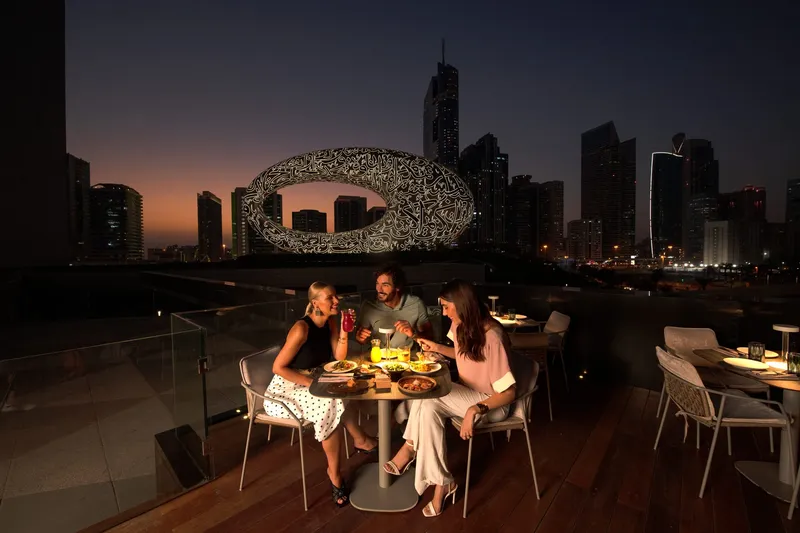
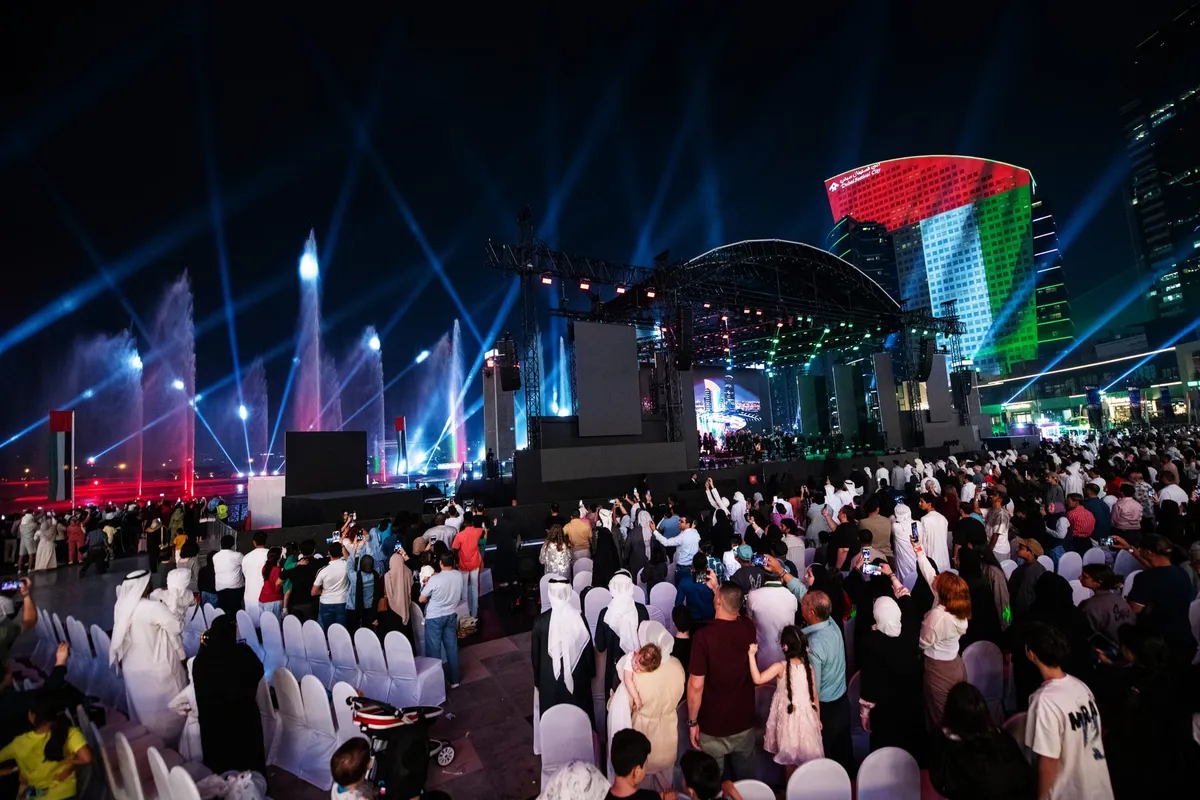
After iftar, many families and friends continue gathering through the evening into the small hours, sharing a final pre-dawn meal called suhoor. Ramadan tents (large, decorated temporary structures set up by hotels, malls and cultural organisations) stay open late into the night for suhoor, serving light food, tea, coffee and shisha. The mood is social and relaxed. If you like the city after dark, a suhoor tent is the thing to seek out this month.
Dress and behaviour during Ramadan
The modest dress norms that apply in Dubai year-round (covered shoulders and knees in non-resort public spaces) are observed a little more consciously during Ramadan. This is a good moment to lean toward the more conservative side of your wardrobe when away from the beach or pool. The dress codes guide covers the Dubai-wide norms in full.
Switch off loud music from personal devices in public spaces, and keep voices measured in communal areas during the day. These are small adjustments, and they are noticed.
What stays open
More than many visitors expect. Hotels, malls, most restaurants, airport facilities, the Metro, taxis and ride-hailing all continue to operate. The Burj Khalifa and its observation decks remain open. Dubai Mall stays open, as do most retail destinations. Beach clubs, pools and water parks operate, though some may adjust hours.
What changes: some restaurants that serve only during daylight may be closed or partially screened. Some entertainment venues operate under modified licensing rules. Nightlife activity does not disappear but is scaled back compared to non-Ramadan months, with adjusted hours and a different atmosphere. Always check directly with any venue before your visit, as hours and operational status vary year to year.
Government offices and some private businesses reduce their operating hours, which affects administrative tasks but rarely impacts a tourist visit.
Should you visit during Ramadan?
Ramadan is an underrated time to visit, particularly if you want to see the city beyond its brochure side. The major sights are quieter during the day. The afternoon heat is easier to handle when the city’s pace slows. And from sunset onward, iftar and suhoor give the city a community feeling you will not find in any other month.
The visitors who get the most from it arrive knowing what Ramadan is and why it matters, and treat that as context for what they see rather than a box to tick. The city extends considerable hospitality during this month. Meeting it with understanding and respect is the natural response.
If your trip is primarily oriented around daytime outdoor dining, beach bars or nightlife, Ramadan will require more flexibility than other months. If you are drawn to cultural experiences, quieter sightseeing, and some of the most memorable dining of the year, it is worth planning around.
Planning your meals during Ramadan
For hotel guests, breakfast service is typically maintained early in the morning. During the day, hotel restaurants and in-room dining operate as normal. Licensed restaurants in malls and hotels remain open for visitors. After iftar, the full evening dining scene opens up. This is a good time to book Dubai’s food experiences at the better hotel restaurants, which put particular care into their Ramadan menus.
If you want a formal iftar at one of Dubai’s hotels, book ahead. These events fill up, particularly during the middle and last ten days of Ramadan. GetYourGuide and similar platforms list iftar dining experiences.
Timing your visit
Ramadan falls in different seasons each year due to the lunar calendar. When it aligns with the cooler months of November through February, daytime outdoor sightseeing is comfortable and the reduced midday crowds are a real advantage. When it falls in summer, as it did in the mid-2010s and will again in the 2030s, the heat plus the modified city pace means indoor attractions and hotel spaces become the natural focus.
For the broader seasonal picture (temperatures, crowds, costs and what each month offers), the best time to visit Dubai guide covers the full year.
Plan your trip
Some links below are affiliate links: if you book through them we may earn a small commission, at no extra cost to you. How this works.
Book iftar experiences in Dubai Find hotels in Dubai Browse cultural tours in Dubai