Deira & Old Dubai Guide: Souks, the Creek & Heritage
Updated June 2026
No part of Dubai contrasts more sharply with the glass towers of Downtown or the Marina than the creekside districts of Deira and the Bur Dubai / Al Fahidi quarter across the water. This is where the city began. It was a pearl-diving and trading port shaped by the Dubai Creek, its streets were once the busiest commercial corridor on the lower Gulf coast, and its architecture still shows the wind-tower courtyard forms of early 20th-century merchant life. If you want to see what sits beneath Dubai’s modern surface, or just want an afternoon that feels different, old Dubai repays the detour.
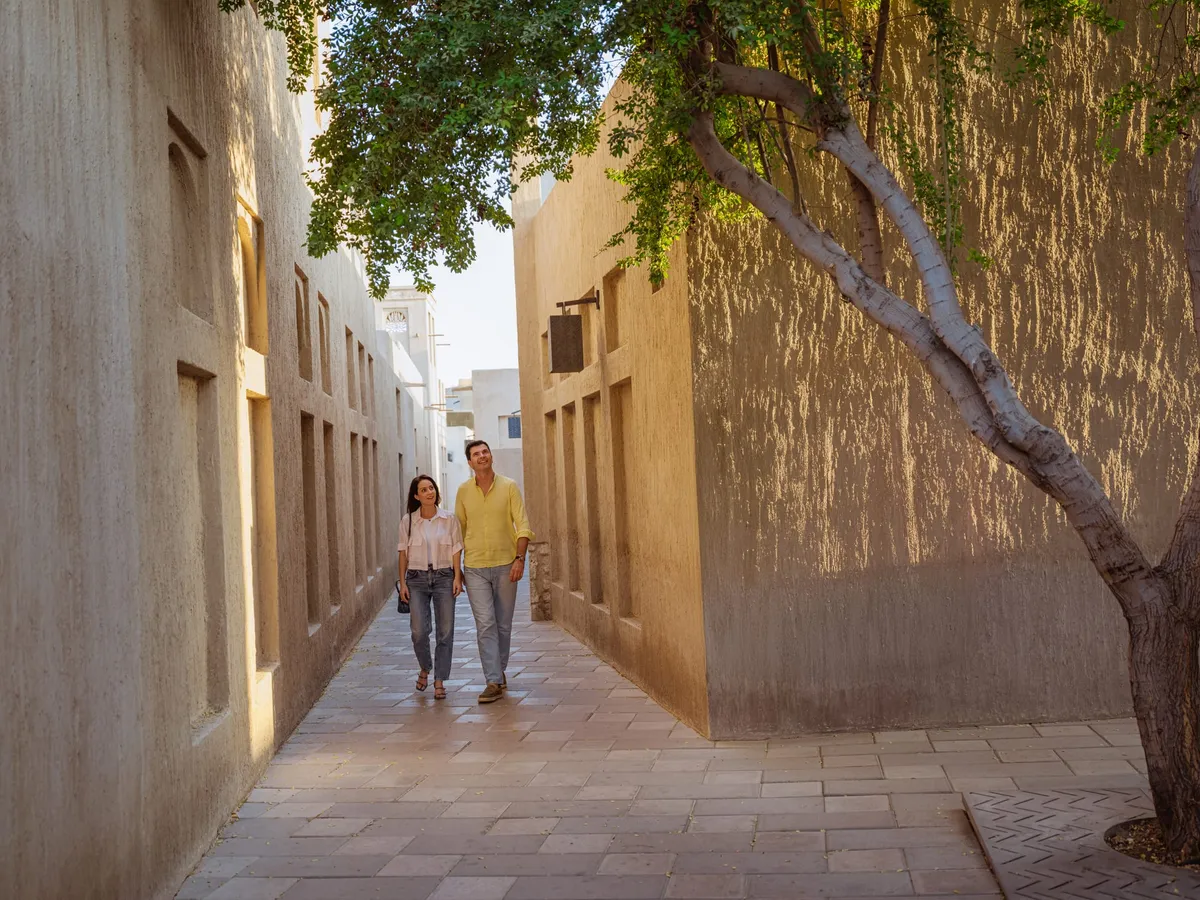
Understanding old Dubai’s geography
The area visitors call “old Dubai” spans both banks of the Dubai Creek. On the northern bank sits Deira, the historic commercial heart: the Gold Souk, the Spice Souk, the Perfume Souk and the covered market streets that have traded continuously for well over a century. On the southern bank sits Bur Dubai, anchored by the Al Fahidi Historical Neighbourhood (also called Al Bastakiya) and the Al Seef waterfront development that extends from it.
The Creek itself is a saltwater inlet roughly 14 kilometres long that once formed Dubai’s natural harbour, and it is what joins the two halves. Traditional wooden abra water taxis cross between the banks at several points throughout the day, a journey of roughly five minutes and a few dirhams. Hold the layout in your head and the district is easy to navigate: Deira to the north, Bur Dubai and Al Fahidi to the south, the Creek between them, abras connecting the two.
Deira: the Gold Souk, Spice Souk and beyond
The Deira Gold Souk is the centrepiece of the district and one of the most visited markets in the Middle East. An estimated 10 tonnes of gold is on display in its covered alleys at any given time, spread across hundreds of individual jewellery shops dealing in necklaces, bangles, rings and custom pieces. The sheer concentration and variety is unlike anything most visitors have encountered before. Prices move with the international gold spot rate, so this is a real market rather than a show. Verify current prices and any piece’s specifications directly with the merchant before purchasing.
A short walk from the Gold Souk brings you to the Spice Souk, a more compact covered market fragrant with saffron, dried limes, frankincense, cardamom and a hundred other traded goods. The atmosphere here is unhurried compared to the Gold Souk; vendors are accustomed to tourists browsing and are happy to explain what they’re selling. The Perfume Souk nearby specialises in oud and Arabic attar perfumes, intensely concentrated scents quite different from Western fragrance traditions.
Between the souks and along the creek waterfront, the Deira Waterfront Market and the surrounding streets carry a working commercial character that has changed less than most of Dubai over the past fifty years. Textile merchants, electronics traders and dozens of small restaurants serving South Asian and Middle Eastern food fill the lanes. The dining here is among the most affordable in the city. The clientele is mostly the neighbourhood’s large working population rather than tourists, which is a reliable quality signal.
Al Fahidi and Al Seef: heritage across the Creek
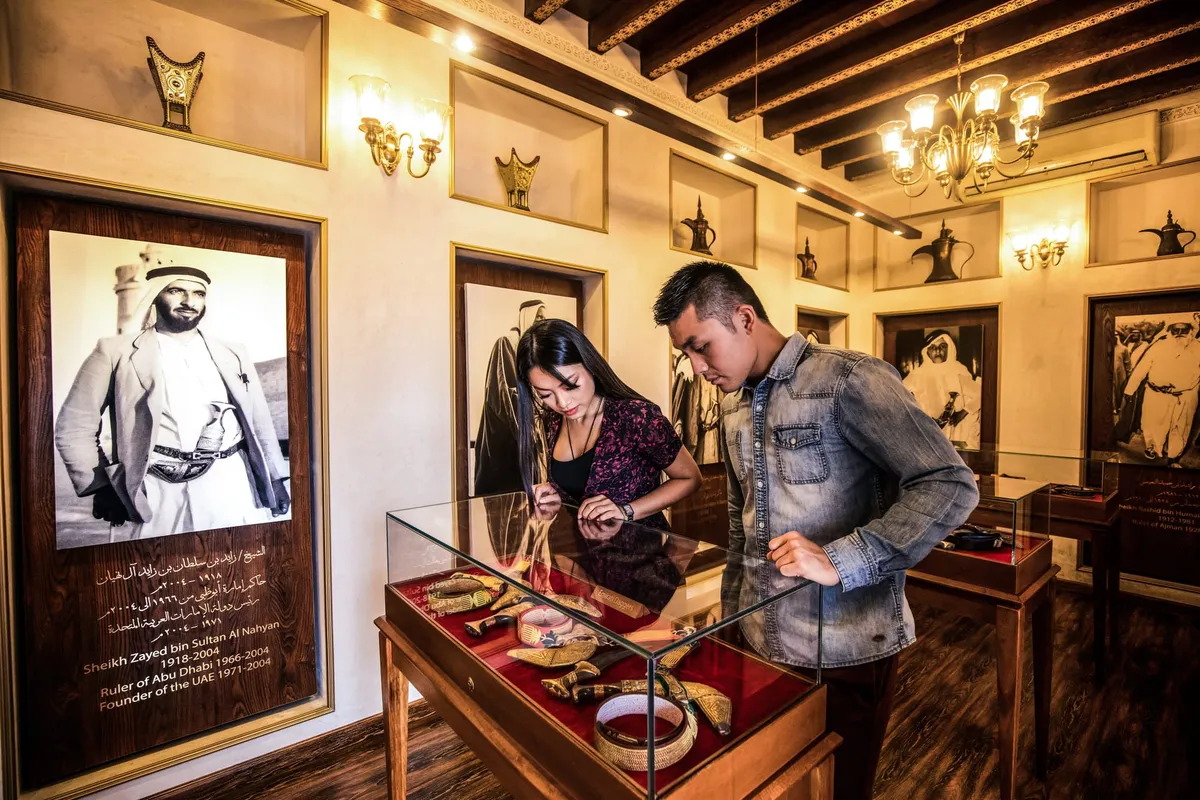
The Al Fahidi Historical Neighbourhood on the Bur Dubai bank is the best-preserved example of pre-oil Dubai architecture in the emirate. The courtyard houses here, constructed from coral stone and gypsum with distinctive wind towers designed to channel cooling air into the rooms below, date from the late 19th and early 20th centuries. Walking the narrow lanes is free; the neighbourhood contains the Dubai Museum (housed in the 18th-century Al Fahidi Fort, one of the oldest buildings in the UAE; admission AED 3), several small specialist museums and a number of courtyard art galleries.
The Sheikh Mohammed Centre for Cultural Understanding (SMCCU), also within Al Fahidi, offers guided neighbourhood walks, cultural breakfasts and direct Q&A sessions with Emirati hosts. These are among the best structured introductions to Emirati culture available in the city, and are worth booking in advance. Entry fees apply; check the SMCCU website for current sessions and pricing.
Al Seef, the waterfront development that extends along the Bur Dubai creekside adjacent to Al Fahidi, blends heritage-styled architecture with modern cafes and restaurants. The promenade here offers some of the better creek views in the area, particularly at dusk when traditional dhow boats pass against a backdrop of the Deira skyline.
The abra crossing: a practical and atmospheric detail
Taking an abra across the Creek is the thing visitors to this part of Dubai remember most clearly, often more than the souks themselves. The wooden boats are open, carry perhaps twenty people at a time and leave when full rather than to a timetable, so the wait is rarely more than a few minutes during daylight hours. The crossing is brief, the views from midstream toward both banks are excellent, and the fare is nominal. It is a working ferry that has run in more or less the same form for generations, and it happens to be a pleasure.
The main abra crossing points for tourists are between Deira Old Souk station (for the Spice Souk side) and Bur Dubai Abra Station on the southern bank, and between Gold Souk Abra Station and the Bur Dubai waterfront. Both routes cross the same stretch of Creek and offer the same views. The RTA-operated abra fare is AED 1 per crossing, which makes it the best-value ride in the city. Boats generally run from around 06:00 until late evening.
Traditional food and where to find it
This part of Dubai is genuinely one of the better places in the city to eat well on a modest budget. The streets around the souks in Deira and along Bur Dubai’s textile souk area hold a high density of small restaurants serving Emirati, Yemeni, Indian and Persian cooking. Dishes like machboos (spiced rice with meat or fish), harees (a slow-cooked wheat-and-meat porridge, associated with Ramadan and special occasions), shawarma and freshly baked khameer bread are all easy to find here at prices that reflect a local rather than tourist clientele.
For a more structured introduction to Emirati food and drink customs, the SMCCU’s cultural meals (held in the Al Fahidi courtyard) are a worthwhile option. They combine food with cultural explanation and are well regarded by visitors of all backgrounds.
One cultural note that matters here: this neighbourhood, more than almost anywhere else in Dubai, repays modest dress. Al Fahidi is an active community, and the souks and creek area are used daily by a wide cross-section of the city’s population including many observant Muslims. Covered shoulders and knees are appropriate across the area and are explicitly required to enter mosques or the SMCCU. During Ramadan (the dates change each year), eating, drinking and smoking in public during daylight hours is not permitted in the UAE; restaurants in the souk areas will have screened areas for non-fasting diners. Plan around this if your trip overlaps the holy month; our Ramadan in Dubai visitor guide covers what to expect in detail.
The cultural contrast with new Dubai
There is an observation that almost every visitor to old Dubai makes independently: it is hard to believe this neighbourhood and the Downtown skyline exist in the same city, separated by less than ten kilometres. The gap in visual character, atmosphere and pace is striking enough to feel like travelling between different decades rather than different districts.
This contrast is, in a sense, the whole point of coming. Deira and Al Fahidi are not preserved as a theme park. They are working, inhabited, commercially active places that happen to look and feel as they did before the oil era reshaped the rest of the emirate. The Gold Souk trades real gold at real prices. The spice merchants stock produce for the neighbourhood’s residents. The abra ferries carry commuters as well as tourists. That is what makes old Dubai a worthwhile half-day even for visitors who have been to the Marina and Downtown: it adds a dimension the newer parts of the city cannot replicate. If you are planning your first trip and wondering how to fit this into a broader itinerary, our your first 3 days in Dubai guide suggests a practical sequence that includes a Creek-and-souks half-day alongside the headline sights. For choosing where to base yourself, where to stay in Dubai compares the main areas and their proximity to different parts of the city.
Getting there
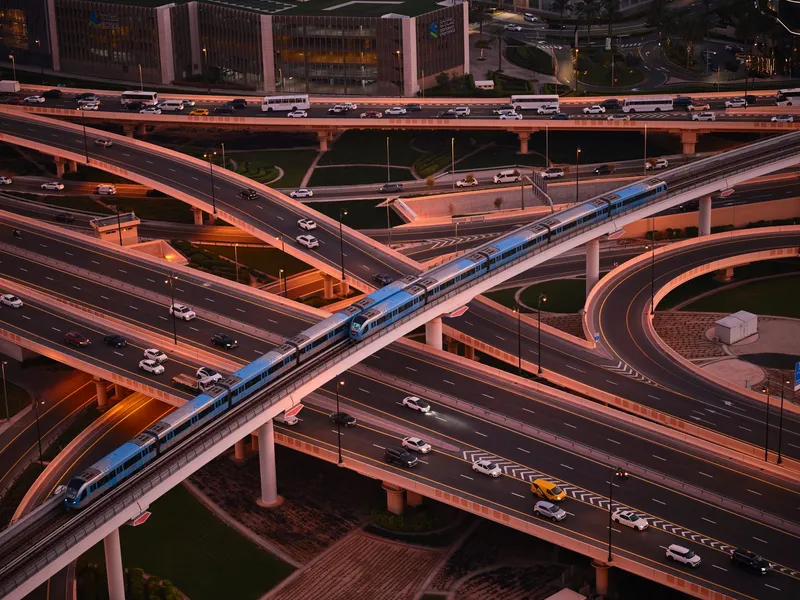
The most direct Metro access to the Deira souk area is Union station on the Green Line, followed by a short walk or taxi to the Gold Souk. Al Ghubaiba station (also Green Line, on the Bur Dubai side) is the nearest Metro stop to Al Fahidi and Al Seef. From Downtown Dubai, the journey involves a change at Union but takes under 25 minutes in total.
Taxis from Downtown or the Marina are a practical alternative: easy to find, and fares are metered. For full route options and Metro maps, our getting around Dubai guide covers navigation across the city in detail. If you’re planning a heritage tour that includes the creek, the souks and Al Fahidi in a single guided half-day, GetYourGuide and Viator both list reputable options.
Plan your trip
Some links below are affiliate links: if you book through them we may earn a small commission, at no extra cost to you. How this works.
Book a Dubai Creek & heritage tour on GetYourGuide Browse Old Dubai & souk tours on Viator Compare Deira hotels on Booking.com Book an airport transfer to DeiraDetails change. Verify museum opening times, ferry schedules and tour availability directly with providers before you visit.