Is Dubai Expensive? An Honest Cost Guide for Visitors
Updated June 2026
The cost question splits by traveller, not by city. Book a five-star beachfront hotel, eat every meal in a hotel restaurant and take taxis everywhere, and Dubai costs as much as anywhere on earth. Ride the metro, eat in Deira or Al Karama and take a room in summer or a shoulder month, and the same days can come in below what they would cost in Paris or Amsterdam. Both Dubais exist at the same time, a few metro stops apart.
The sections below go category by category: hotels, food, transport, attractions, shopping. Each says where the money goes, where you can reasonably save, and where a splurge earns its keep.

The honest answer: it depends
Dubai is expensive if you stay at a five-star beachfront hotel, eat every meal at a hotel restaurant, take taxis everywhere, and pay full price at every attraction. Under those conditions, daily costs per person can reach levels that rival the most expensive cities in the world.
Dubai is manageable, even cheap, if you use the metro, eat at local restaurants in residential neighbourhoods, book your hotel during summer or a shoulder month, and mix free and paid attractions. Visitors on a structured plan regularly report spending far less than they expected.
The best value sits in the middle: one or two real splurges (a rooftop dinner, a desert safari, a well-chosen hotel) surrounded by cheaper daily choices. You get the parts of Dubai worth paying for without paying for all of it.
Hotels: the biggest variable by far
Accommodation is where the widest range exists and where your choices have the biggest ripple effect on your overall budget.
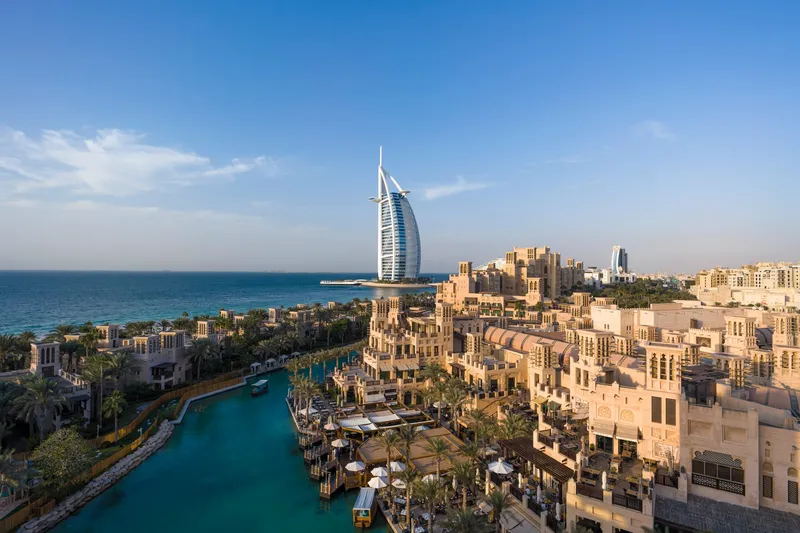
High-end and beach hotels on Palm Jumeirah, in Jumeirah, or along the JBR waterfront typically sit at the premium end of the market. Rates are highest from October through April and around major holidays. Read our guide to where to stay in Dubai for a neighbourhood-by-neighbourhood breakdown.
Business districts and inner-city areas (Business Bay, Sheikh Zayed Road, and parts of DIFC) often have well-located, decent hotels at rates lower than the beach strip. You trade beachfront access for a short metro ride.
Budget hotels and hostels exist and are legitimate. They are concentrated in Deira, Bur Dubai, and Al Barsha. Staying in Deira, the older part of the city, puts you close to the Creek, the historic souks, and metro access.
Seasonality is the single biggest lever. The same room can cost dramatically less in June or July than in January. If you can tolerate the summer heat (most of the city is air-conditioned), summer deals are real. See our best time to visit Dubai guide for the full seasonal breakdown.
Always verify the final price including all hotel fees and taxes before confirming. Rates change frequently. Check with your chosen property directly before booking.
Dining: a wider spread than you might think
Food costs in Dubai run from very little to very expensive, and the extremes are far apart.
At the budget end, Dubai has a large range of South Asian, East African, Filipino, and Middle Eastern canteen-style restaurants (particularly in Deira, Al Karama, and Al Quoz) where a filling, good-quality meal costs very little. Food courts in malls cover a similar range at slightly higher but still modest prices. Street food and shawarma spots are inexpensive and widespread.
At the mid-range, you will find international chains, casual all-day dining spots, and neighbourhood restaurants that deliver solid meals at prices roughly in line with a casual dinner in a major European city. Add VAT and service charges, which are typically displayed separately on bills.
At the top end, rooftop venues, hotel restaurants, and internationally recognised chef-led spots are some of the most expensive dining you will find anywhere. Dubai’s brunch culture and weekend dining events at hotel venues can also add up quickly if you attend several.
Our practical tip: eating one meal a day at a local restaurant or food court, rather than in a hotel or mall-facing restaurant, makes a meaningful difference over a week-long stay.
Transport: cheap if you use public options
Dubai’s metro is one of the most cost-effective ways to get around the city. A Nol card (the rechargeable transit card, sold at metro stations) covers the metro, trams, and many buses at fares that make single journeys very affordable by any international standard. The Red and Green metro lines cover the main tourist corridors: from the airport through Downtown, along Sheikh Zayed Road, and out to Marina and JBR.
Taxis are metered, well-regulated, and not expensive by London or New York standards. They do add up over a week if they become your default transport mode, particularly with traffic in peak hours.
Ride-hailing apps (Uber, Careem) operate normally and are comparable to taxis in cost.
Car rental is an option and prices can be competitive, but parking is an extra consideration in busy areas. Fuel is inexpensive by Western European standards.
For a full breakdown of how to move around without overspending, see our getting around Dubai guide.
Activities and attractions: free vs paid
Free and low-cost: Dubai has a lot that costs nothing or very little. The waterfront at JBR, the Dubai Marina boardwalk, Al Fahidi Historical Neighbourhood, and the Spice and Gold Souks in Deira cost nothing to walk and explore. Many of the public beaches (JBR Beach, Kite Beach, La Mer) have no entry fee, though you pay for sunloungers and food. The Dubai Fountain show beside the Dubai Mall runs every evening from around 6:00 PM onwards at no charge. The Al Shindagha museum complex in Old Dubai is modestly priced.
Visitor ratings back this up: outdoor attractions like the Creek waterfront and the historic Al Fahidi district consistently earn a rating of 4.5 / 5 or higher on Google, showing that the free parts of Dubai hold up strongly against the paid ones.
Mid-priced paid attractions: Desert safaris, dhow cruises, and many indoor experiences fall in a broad mid-range. Booking through reputable activity platforms often gives you a clearer total price than booking at the hotel desk.
Premium experiences: The observation decks at Burj Khalifa (At The Top), the Museum of the Future, and some theme parks sit at the higher end of attraction pricing, though still within a range that most visitors treat as a worthwhile one-off spend. Water parks and full-day beach club passes can also represent a significant single-day outlay. Verify current prices before visiting as these change seasonally.
For tips on managing costs across all activity categories, our Dubai on a budget guide covers the practical strategies in detail. If you are planning your full itinerary, the first three days in Dubai guide helps you sequence experiences without overspending.
Shopping: spend or window-shop, both are welcome
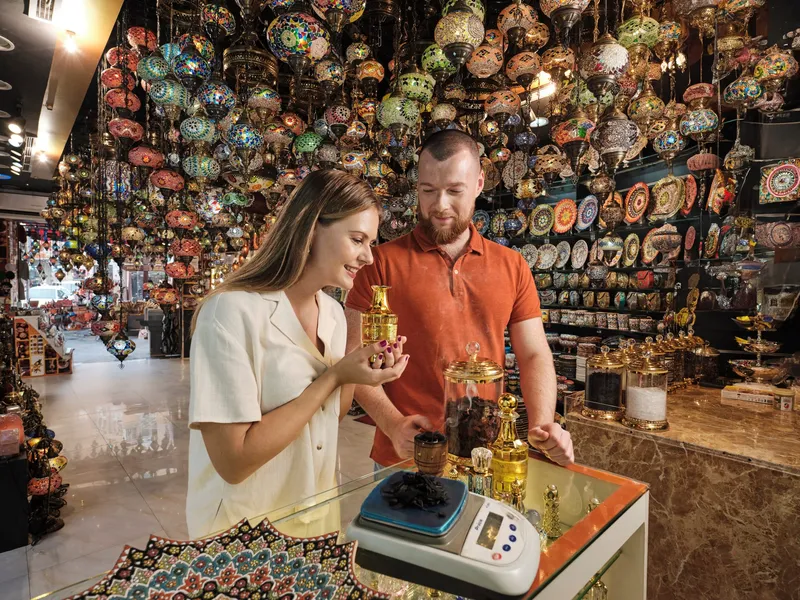
Dubai’s malls are a major attraction in their own right and entry is free. You can spend a morning in the Dubai Mall or Mall of the Emirates without buying anything beyond a coffee, and still come away having seen the Burj Khalifa fountain view or the indoor ski slope. Electronics and some luxury goods are often cheaper in Dubai than in Europe or Australia due to lower import duties, though this advantage has narrowed over time. Counterfeit goods are illegal; do not buy from unofficial street sellers near the souks.
A rough sense of what different budgets look like
Rather than specific figures (prices change; always verify before booking), here is the relative logic:
Budget travellers who stay in a guesthouse or budget hotel in Deira or Al Barsha, eat most meals at local restaurants, use the metro, focus on free beaches and souks, and do one paid experience can keep daily costs meaningfully lower than a city like Paris or Amsterdam.
Mid-range travellers in a three-to-four-star hotel in a central location, mixing casual dining with the odd hotel meal, using a mix of metro and taxis, and doing two or three paid attractions, will spend in a range broadly comparable to a mid-range trip to London or Sydney.
Premium travellers in a five-star beachfront property, dining at hotels every night, and paying for an experience every day will find Dubai matches or exceeds the most expensive cities in the world.
The cost of getting it wrong
The most common way visitors overspend in Dubai is not ignorance. It is the sheer number of appealing options. Premium experiences are visible, well marketed, and easy to book. Set a rough daily budget per person before you arrive, and decide in advance which one or two splurges you specifically want. That gives you an anchor.
Also account for hidden costs: hotel surcharges, service charges on restaurant bills (typically 10%), and the gap between advertised and total prices for activities. Metro gates open from around 5:30 AM on weekdays, so early arrivals from the airport can use public transport immediately. Verify the final price including all fees before confirming any booking.
Plan your trip
Some links below are affiliate links: if you book through them we may earn a small commission, at no extra cost to you. How this works.
Browse Dubai hotels Stay connected with an Airalo eSIM Explore Dubai experiences